A nasal spray reduces tau protein in mice with dementia
A single dose improved memory in old mice, according to a UTMB study.
Texas researchers tested an antibody nasal spray that reaches the brain and reduces a key Alzheimer's protein, in mice for now.
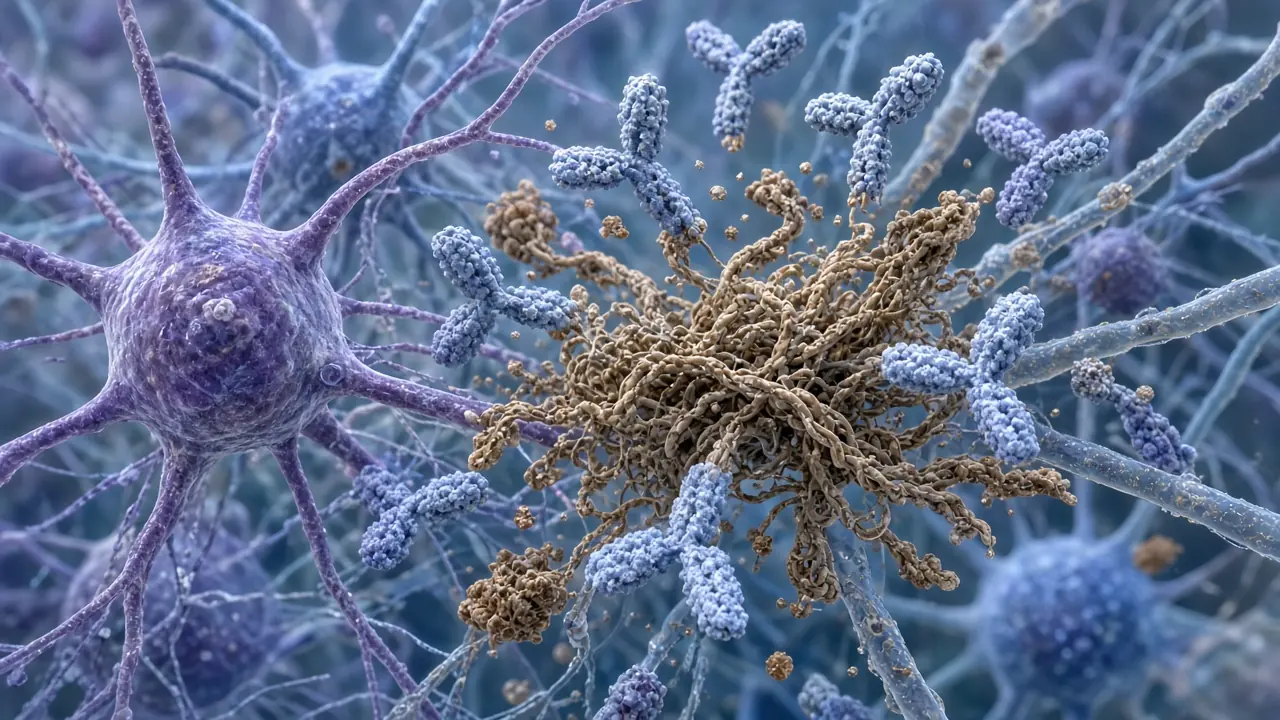
A team from the University of Texas Medical Branch (UTMB) published in Science Translational Medicine an experimental treatment against the buildup of tau, a protein that forms toxic aggregates in Alzheimer's and other dementias.
They used an antibody called TTCM2, which recognizes toxic forms of tau, encapsulated in micelles, tiny particles that help it reach the brain through the nose. Inside neurons, the antibody works with the protein TRIM21, which tags tau for removal.
With a single nasal dose in old mice with tauopathy, tau levels dropped and memory improved in tests such as the Y-maze and novel object recognition. It is a promising advance, but results in mice are not always repeated in people.
TTCM2 is an antibody that recognizes the shape of toxic tau aggregates and distinguishes them from the normal protein. According to the study, it binds to those aggregates in human tissue from Alzheimer's, dementia with Lewy bodies and progressive supranuclear palsy, and prevents them from spreading. In treated mice, besides clearing tau inside neurons and at synapses, synaptic proteins important for communication between neurons increased.
Key facts
- TTCM2 antibody encapsulated in micelles.
- A single nasal dose in old mice.
- Mechanism linked to the TRIM21 protein.
- Published in Science Translational Medicine in 2024.
More studies and clinical trials in humans are needed before any medical use.
Futurismo newsletter
Get the most futuristic stories in your inbox. Free.
By subscribing you agree to receive emails from Futurismo and our privacy policy. Unsubscribe anytime.Related stories

Martian dust is gentler than lunar dust, but it has risks
Spacesuit samples aboard Perseverance barely wore down over 1,645 Martian days.

An AI-agent lab that runs DNA experiments on its own
AutoDNA, in Shanghai, designs and executes molecular experiments with minimal human intervention.

The world's oldest cave painting: a hand from 67,800 years ago
A hand stencil in an Indonesian cave beats every record for human art.

The secret of the whale that lives over 200 years lies in a protein
The bowhead whale repairs its DNA better than any other mammal.